
Specialist surgery for complex GI & HPB cancers.
GI Oncology Surgery is a specialised area of cancer surgery focused on tumours and cancers affecting the gastrointestinal and hepatobiliary system. It includes the surgical management of selected cancers involving the liver, pancreas, gallbladder, bile ducts and colorectal region.
Because these cancers can involve complex anatomy and nearby blood vessels or organs, treatment often requires detailed evaluation and coordinated care from multiple specialists.
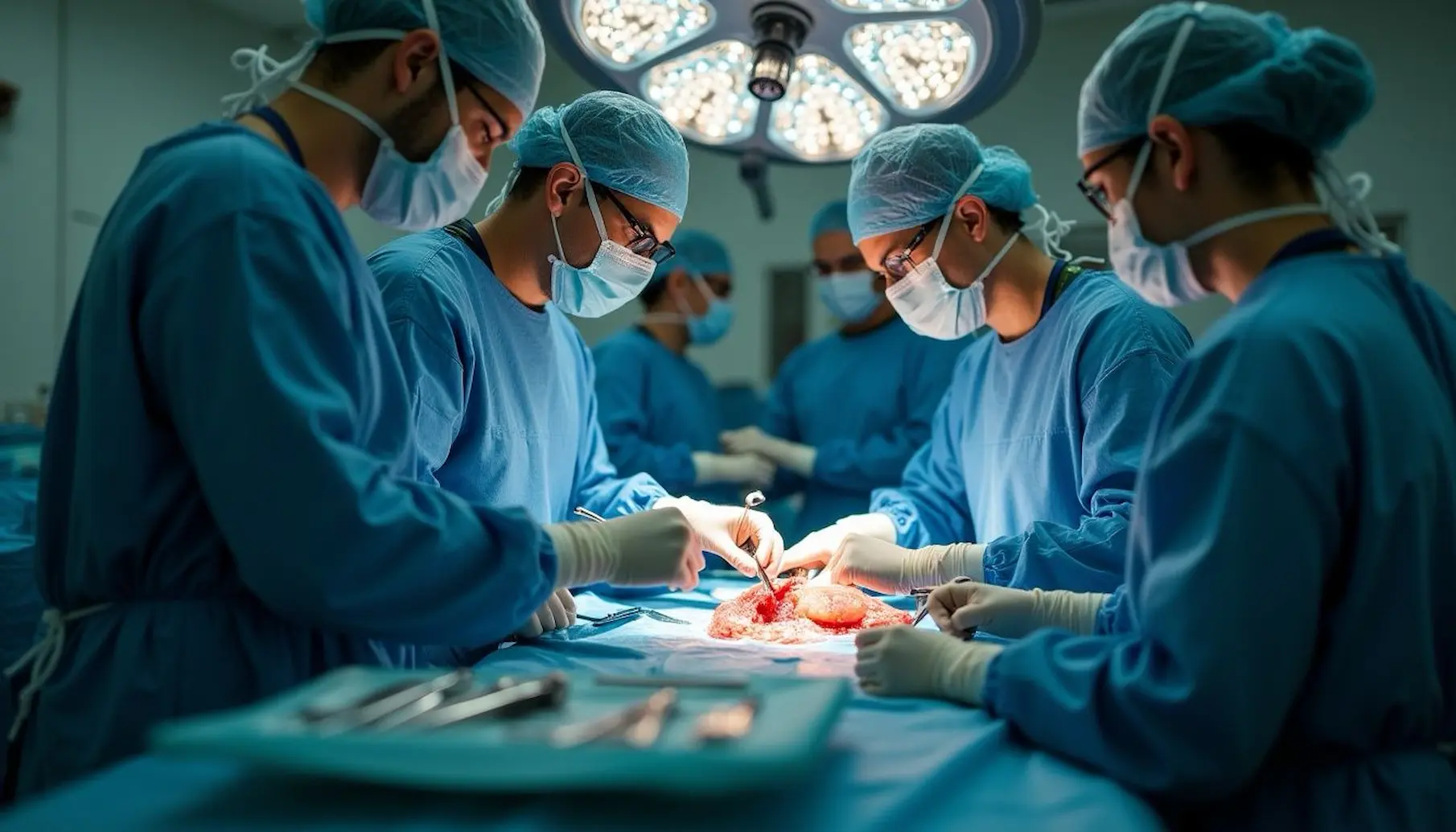
What is GI Oncology Surgery?
GI oncology surgery involves the surgical treatment of cancers affecting organs of the digestive and hepatobiliary system.
Depending on the location and extent of cancer, surgery may involve removing the tumour along with a portion of the affected organ and, when necessary, surrounding tissues or lymph nodes.
The type of surgery depends on several factors, including:
- Type of cancer
- Tumour size and location
- Stage of the disease
- Involvement of nearby structures
- Overall health of the patient
- Previous treatments
Not every cancer requires surgery, and not every patient is suitable for the same surgical approach. A detailed evaluation is essential before treatment is planned.
Which cancers can require GI oncology surgery?
Liver Cancer
Surgery may be considered for selected patients with liver cancer, depending on the tumour characteristics and the condition of the remaining liver.
Depending on the individual case, treatment may include liver resection or, in selected patients, liver transplantation.
For patients looking for liver cancer treatment in Lucknow, specialist assessment is important to understand whether surgery, transplantation or another treatment approach is appropriate.
Explore Liver Cancer Care →Pancreatic Cancer
Pancreatic cancer surgery can be complex because the pancreas is located close to major blood vessels and other important structures.
Selected patients may undergo surgery to remove the affected portion of the pancreas, depending on the location and extent of the tumour.
Treatment planning requires detailed imaging and assessment of whether the tumour can be surgically removed.
Gallbladder Cancer
Gallbladder cancer treatment may involve surgery in selected patients, depending on the stage and extent of the disease.
The surgical approach can vary according to the location of the tumour and whether surrounding liver tissue or other structures are involved.
Early specialist evaluation can help determine the available treatment options.
Bile Duct Cancer
Bile duct cancers can occur in different parts of the biliary system and may require complex surgical planning.
Depending on the location and extent of the tumour, surgery may involve removal of the affected bile duct and reconstruction to restore bile drainage.
A specialist HPB surgeon in Lucknow can evaluate the disease and determine whether surgery is appropriate.
Colorectal Cancer
Colorectal cancer surgery involves the surgical management of cancers affecting the colon or rectum.
Depending on the location and stage of the cancer, surgery may involve removing the affected section of the bowel along with appropriate surrounding tissue and lymph nodes.
The surgical approach is planned according to the individual patient's diagnosis and overall health.
How is cancer surgery planned?
Cancer surgery requires more than identifying a tumour and removing it. Detailed assessment is necessary before deciding the treatment approach.
Imaging and other investigations help the medical team understand the location and extent of the disease.
In selected cases, treatment may involve surgery along with other cancer treatments such as chemotherapy or other specialised therapies.
Multidisciplinary approach to cancer care
Complex gastrointestinal cancers often require coordination between different medical specialists.
Depending on the patient's condition, treatment planning may involve surgeons, medical oncologists, radiologists, pathologists and other specialists.
This multidisciplinary approach to cancer treatment helps the medical team consider the complete clinical picture before recommending a treatment plan.
The aim is to provide a treatment strategy that is appropriate for the individual patient rather than following the same approach for every cancer.
Minimally invasive and robotic approaches
For selected patients and suitable procedures, minimally invasive surgery may be considered. Laparoscopic or robotic-assisted techniques can be used for certain gastrointestinal and abdominal cancer procedures when clinically appropriate.
Dr. Vipin Pal Singh has a special interest in Minimal Access Surgery and Robotic Surgery.
However, minimally invasive surgery is not suitable for every cancer or every patient. The surgical approach depends on the tumour, its location, extent and the patient's overall condition.
Why choose specialist GI oncology surgical care?
Cancer surgery involving the liver, pancreas, gallbladder, bile ducts or colorectal region can be technically complex. For patients searching for a GI cancer surgeon in Lucknow or GI oncology surgery in Lucknow, specialist evaluation can help determine:
The focus should always be on appropriate cancer treatment rather than simply choosing a particular surgical technique.
Your cancer surgery journey
Diagnosis
Understanding the cancer and confirming the diagnosis.
Imaging & Staging
Assessing the location and extent of disease.
Specialist Evaluation
Reviewing the diagnosis, medical history and overall health.
Treatment Planning
Determining whether surgery and/or other cancer treatments may be appropriate.
Surgery & Follow-Up
Providing surgical care followed by appropriate postoperative and long-term follow-up.
Dr. Vipin Pal Singh
Dr. Vipin Pal Singh is a Liver Transplant & HPB Surgeon and Associate Director – HPB Surgery & Liver Transplant at Chandan Hospital, Lucknow. He holds MBBS, MS and DrNB qualifications in Surgical Gastroenterology and has completed a Fellowship in Liver Transplant & HPB Surgery.
With more than 8 years of experience, Dr. Vipin Pal Singh has experience in complex GI and HPB surgeries. His areas of specialisation include liver transplantation, liver cirrhosis, liver cancers, gallbladder and bile duct cancers, pancreatic conditions and minimally invasive surgery.
Minimal Access Surgery
Robotic Surgery
Questions patients often ask
GI oncology surgery is the surgical treatment of selected cancers affecting the gastrointestinal and hepatobiliary system, including cancers involving the liver, pancreas, gallbladder, bile ducts and colorectal region.
No. Not every cancer requires surgery. The appropriate treatment depends on the type and stage of cancer, tumour characteristics, overall health and other clinical factors.
Selected cancers involving the liver, pancreas, gallbladder, bile ducts and colorectal region may require surgical treatment depending on the individual diagnosis.
Surgery may be considered for selected patients with liver cancer. Depending on the individual case, treatment may include liver resection or, in selected patients, liver transplantation.
For selected patients and suitable procedures, robotic-assisted techniques may be considered for certain gastrointestinal and abdominal cancer procedures. Suitability depends on the tumour, its location, extent and the patient's overall condition.
Yes. Some complex cancers may require open surgery. The surgical approach should be selected according to the patient's condition and the requirements of safe and effective treatment.
Complex gastrointestinal cancers may require input from surgeons, medical oncologists, radiologists, pathologists and other specialists. Coordinated evaluation helps the team consider the complete clinical picture before recommending treatment.
If you or a family member has been diagnosed with a gastrointestinal, liver, pancreatic, gallbladder or bile duct cancer, specialist evaluation can help clarify the diagnosis, treatment options and whether surgery may be appropriate.
Understand your diagnosis. Plan the next step with specialist care.
If you or a family member has been diagnosed with a gastrointestinal, liver, pancreatic, gallbladder or bile duct cancer, specialist evaluation can help you understand the diagnosis and available treatment options.
For patients looking for gastrointestinal cancer treatment in Lucknow, a timely consultation can help in planning the next step according to the stage and characteristics of the disease.
Liver Transplant & HPB Surgeon
Associate Director – HPB Surgery & Liver Transplant
Chandan Hospital, Lucknow